

Do's and Don'ts to Improve Beginner English Pronunciation for Tourism
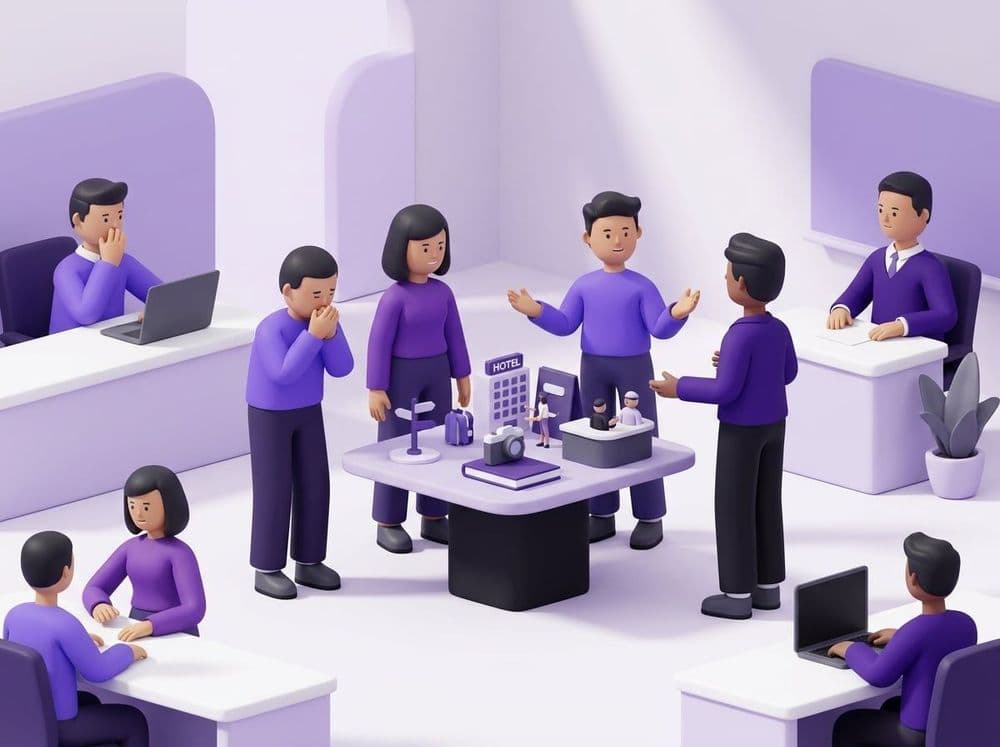
Learn the essential do's and don'ts to improve beginner English pronunciation for tourism. Speak clearly, build confidence, and enjoy your trip abroad.
Travel English often happens in busy places, like a café, hotel desk, taxi, or train stop. Clear sound helps staff hear you fast, which is why these English pronunciation tips for tourists matter before you fly. This guide gives you simple do's and don'ts to help you speak clearly abroad.
Key Takeaways
Below are the key takeaways in this guide:
- Clear sound first: Your accent is fine. The goal is to be heard.
- Slow words help: A short pause gives your mouth time to move.
- Mouth shape matters: Open your mouth more for key travel words.
- Loora practice: Loora gives you a safe AI space to try travel lines before your trip.
The Biggest Pronunciation Mistake Tourists Make (And What to Do Instead)
The biggest mistake is not an accent. It is speaking too fast and too soft. When you rush, your mouth cuts off sounds. Staff may miss words like "ticket," "water," or "taxi."
I once coached a traveler before a beach trip. She knew the right words, but she said them in one quick line. We tried one small change. She took a breath, spoke a bit louder, and said each word with space. At the hotel, the staff understood her check-in line the first time.
This is the main rule: move your mouth on each word. Letters are what you see. Sounds are what you say. Syllables are word parts, like ho-tel or tick-et. You do not need big words to learn this. You need mouth work.
Try this simple travel line: "One ticket, please." Take a breath first. Say one. Pause. Say ticket. Keep the last sound clear. Then say please with a small smile. This helps your voice come out.
Accent does not matter here. Being understood matters. If you want to speak clearly abroad, use three tools: slow down, open your mouth, and speak a little louder than at home.
Travel English Pronunciation: The Do's and Don'ts
Travel words need clear mouth moves. This beginner English speaking guide for vacations keeps the work simple. You can use these travel pronunciation tips at a hotel, in a taxi, or while you order food.
Do's and Don'ts Comparison Table
| Do | Don't |
|---|---|
| Say the last sound in *ticket*. Let your tongue touch behind your top teeth for the final *t*. | Do not drop the end and say *ticke*. The word may sound cut. |
| Open your mouth for *water*. Keep the first part strong: *WA-ter*. | Do not mumble with closed lips. Staff may miss the word. |
| Say hotel names slowly. Stress the clear part, like *Hil-ton* or *Mar-ri-ott*. | Do not rush hotel names. One fast sound can change the name. |
| Take a breath before *bathroom, please*. It helps your voice stay clear. | Do not speak while out of breath. Your words may sound small. |
| Speak up in a taxi. Say *station, please* with a clear first word. | Do not whisper from the back seat. The driver may not hear you. |
Small body moves help too. Face the person. Look up from your phone. Point to a map or menu if you need help. These moves do not replace speech, but they help your words land.
Clear travel English is not about long words. It is about short words said with care. That is the skill you need before real trip talk.
How to Practice Your Travel Pronunciation Before You Fly (AI vs. Human Tutors)
The next step is practice with real travel lines. This is how to improve English pronunciation for travel before the airport, hotel, or first meal.
Loora vs. Preply vs. Italki: Practice Comparison
| Practice need | Loora | Preply | Italki |
|---|---|---|---|
| Main speaking work | You speak with an AI English tutor. It gives live speech practice anytime. | You book a human tutor. The lesson plan depends on that tutor. | You book a human tutor. The talk style depends on that tutor. |
| Travel scenes | You can make a scene, like hotel check-in or ordering food. Loora asks follow-up questions. | A tutor can make travel practice. You may need to ask first. | A tutor can help with travel lines. You choose a teacher who fits. |
| Time to practice | You can practice at any hour. This helps before a late flight. | You need a lesson time. Open times depend on the tutor. | You pay per lesson. Open times depend on the teacher. |
| Safe practice space | You practice with AI. This can feel easier when you make sound mistakes. | You speak with a real person. This can help, but it may feel hard at first. | You speak with a real person. Some learners like this live feel. |
| Back-and-forth talk | Loora can ask more questions after your answer. You keep speaking. | A tutor can ask more questions. The style changes by tutor. | A tutor can ask more questions. The pace changes by teacher. |
| Sound feedback | Loora marks sound and grammar slips while you talk. You can fix them fast. | A tutor can correct your sounds. The detail depends on the tutor. | A teacher can correct your sounds. The detail depends on the lesson. |
| After-practice review | Loora gives a review after your talk. It shows sound and grammar notes. | A tutor may send notes. This depends on the tutor. | A teacher may send notes. This depends on the teacher. |
| Your own trip lines | You can set your own scene. Try "I need a taxi to the airport." | You can ask for your own trip lines. Plan this before class. | You can ask for your own trip lines. Pick a teacher who does this. |
| Best fit | Good for quick, private travel practice before you go. | Good if you want a human lesson with a set time. | Good if you want flexible human lessons by the hour. |
Human tutors can give warm, real talk. For a beginner who freezes before a trip, Loora is often easier to start because it is open anytime and no person is judging your sound. That mix helps you build clear travel English with less pressure.
Quick Fixes for the Most Common Travel Words
Beginner English speaking for travel starts with a few key words. Say these out loud, not just in your head. Your mouth needs practice.
- Restaurant: Say it slowly: res-tau-rant. Open your mouth for the first part. Do not make it one fast sound.
- Airport: Stress the first part: AIR-port. Open wide on air. Keep port short and clear.
- Bathroom: Say both parts: BATH-room. Press your lips together for the "b" at the start. Put your tongue between your teeth for the "th" at the end of BATH. Then move on fast.
- Ticket: Say the last sound. Your tongue should touch behind your top teeth for the final t.
- Water: Start strong: WA-ter. Round your lips for the "w", then open your mouth. Do not hide the first sound.
Use each word in a short line. Say "Where is the bathroom, please?" or "One ticket, please." Take a breath before the line. Speak a little louder than normal. Then stop and listen.
Conclusion
Clear travel pronunciation is a real trip skill. It comes from small mouth moves, steady breath, and short phrases you can use at a hotel, restaurant, taxi stand, or airport desk.
Knowing the words is only half the work. You also need to say them out loud until your mouth knows the shape. Start with water, ticket, and bathroom. Then practice full lines like "I have a booking" and "One ticket, please."
Your accent can stay with you. The goal is simple: speak clearly, be understood, and enjoy the trip in front of you.