

Do's and Don'ts for Clear Beginner English Pronunciation in Sales
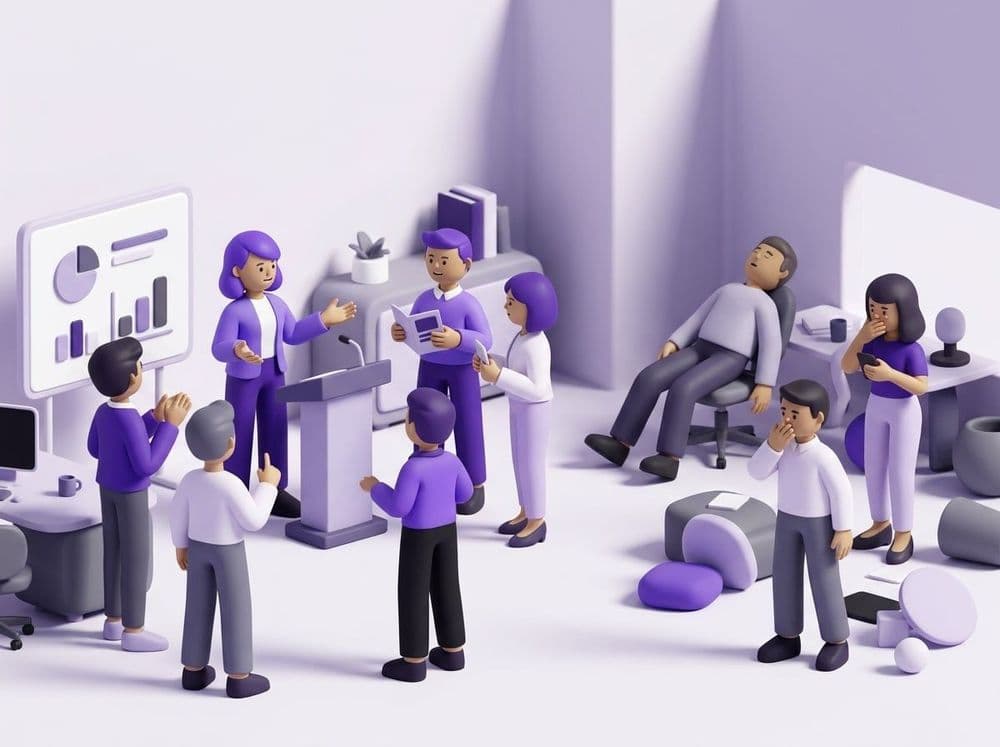
Improve your beginner English pronunciation for sales with these clear do's and don'ts. Learn how to speak clearly and close deals with confidence.

Global sales calls often happen on Zoom or by phone, so the prospect must hear the price and product name clearly. Clear beginner English pronunciation for sales matters. Unclear sounds can make a prospect pause or ask again. This guide gives clear do's and don'ts for mouth shape, tongue use, and pace on a sales call.
Key Takeaways
Below are the key takeaways in this guide:
- Clear price sounds: Say numbers slowly, and make the last sound clear.
- Smart pauses: Stop after the price, product name, and main benefit.
- Strong greeting: Open your mouth for your name and company name.
- Loora practice: Flashcard apps help you know words, but Loora gives live sound feedback as you speak.
Do's and Don'ts for Pronouncing Sales Numbers and Prices
Price numbers need clean sounds. In sales pronunciation, thirteen and thirty can sound close. Your prospect needs to hear the price fast and clearly.
The key is stress. For thir-TEEN, push the second part. For THIR-ty, push the first part. This isn't about a perfect accent. It's about clear speaking.
Say the strong syllable louder and longer. Keep your tongue near your top teeth for the first sound in thirteen and thirty. Then open your mouth for the vowel sounds, and don't hide the end.
Do this and avoid this for price numbers
| Sales sound task | Do this | Don't do this |
|---|---|---|
| Thirteen | Say thir-TEEN. Push the second part. Make TEEN longer. | Don't say both parts flat. The price may sound like thirty. |
| Thirty | Say THIR-ty. Push the first part. Keep ty short. | Don't make ty too long. It can sound like thirteen. |
| Fifteen | Say fif-TEEN. Keep the last sound clear. | Don't drop the end. The buyer may hear fifty. |
| Fifty | Say FIF-ty. Open your mouth on FIF. | Don't rush the last part. Keep the word neat. |
| Price line | Say, "It is thirty dollars." Then stop. | Don't say the price inside a long, fast line. |
| Big numbers | Break the number into small parts. Take one breath. | Don't say all parts in one breath. |
A good price sound has three parts: clear stress, open mouth, and a short pause. That pause gives the buyer time to hear the number before the next idea.
Do's and Don'ts for Pacing Your Sales Pitch
A sales pitch can sound unclear when it moves too fast. Beginners often know the script, but the mouth needs time to form each sound.
Slow speech does not mean weak speech. It gives your lips and tongue time to move. It also gives your prospect time to follow the value, price, and next step.
When you say a key word, stop for one small beat. You can feel this as a calm breath in your chest. The rhythm should sound like short clear groups, not one long line.
Do this and avoid this for sales pitch pace
| Pitch moment | Do this | Don't do this |
|---|---|---|
| Start of pitch | Take a breath before you speak. Open your mouth. | Don't start while still breathing in. |
| Product name | Say the name alone first. Then say the benefit. | Don't hide the name inside a fast sentence. |
| Main benefit | Say one idea, then pause. Let the buyer hear it. | Don't list five points with no stop. |
| Price | Say the price slowly. Stop after it. | Don't rush after the price. |
| Objection | Listen first. Then repeat the key word clearly. | Don't speak over the buyer. |
| Close | Say the next step in short words. | Don't make the close long and hard to follow. |
Try this rhythm in a sales script: product name, pause, main value, pause, price, pause, next step. This helps clarity because each sound group gets its own space.
Do's and Don'ts for Greeting the Client
A greeting sets the first sound of the call. I once heard a sales rep start a cold call too fast. He said his name and company name in one flat sound, so the client asked, "Sorry, who is calling?"
We practiced one small change. He opened his mouth wider on his name. Then he slowed down for the company name in the next Zoom meeting. The client answered faster and used his name back. That built a calm tone of voice.
Do this and avoid this for a clear greeting
| Greeting task | Do this | Don't do this |
|---|---|---|
| Your name | Say your name in two clear parts if it has two parts. Push the main part. | Don't say your name as one fast sound. |
| Company name | Say the company name alone. Open your mouth on the strong part. | Don't hide the company name after hello. |
| First line | Say, "Hi, I'm Ana from CloudPay." Then stop. | Don't add your full pitch right away. |
| Voice | Keep your voice calm and clear. Let it go up a little on hello. | Don't use a flat voice with no stress. |
| Confidence building | Practice the greeting before the call. Say it out loud. | Don't read it only in your head. |
For company names, choose the strong part before the call. In CloudPay, you can push Cloud. In SalesPro, you can push Sales. A clear name gives the buyer a clean first sound to remember.
Don't Just Memorize Words: How to Practice Pronunciation for Sales Calls
Sales call practice needs your voice. If you want to improve pronunciation for sales calls, start with the words you already say on every call. These pronunciation tips work best when you say them out loud, not only when you tap vocabulary on a screen.
Loora vs. Duolingo vs. Memrise for Sales Pronunciation Practice
| Practice need | Loora | Duolingo | Memrise |
|---|---|---|---|
| Main practice | You speak with an AI tutor. Loora gives real-time sound and grammar feedback. | You build basic words with short game-like tasks. This can help daily study. | You learn words with real video clips and flashcards. This can help you hear real speech. |
| Sales call feel | You can use work role-plays, like a cold call or pitch. The talk has more than one turn. | The tasks are short and set. They do not feel like a live sales call. | The clips help you see words in use. The practice stays more about word memory. |
| Work use | You can choose work scenes, like calls, meetings, and talks with clients. | You learn basic words and sentence forms. Sales work is not the main focus. | You learn useful words from clips. The app does not focus on sales calls. |
| Your own scene | You can make a custom scene, like "say a price to a buyer." | You follow the lesson path in the app. | You study words and clips from the app. |
| Back-and-forth talk | Loora answers you and asks follow-up questions. You must speak again. | You answer short tasks. It is good for habit, but not full talk. | You watch and review words. It helps memory more than live talk. |
| Sound feedback | Loora marks sound mistakes while you speak. After the talk, you get sound review with native examples. | It helps with basic practice, points, and repeat tasks. It is not built for deep sales sound work. | It helps you hear native speech in clips. It does not give live sound feedback on your sales pitch. |
| Price practice | You can practice saying thirteen, thirty, and product prices out loud. Loora can give feedback as you speak. | You may learn number words in small tasks. You do not rehearse a real price line with a buyer. | You can review number words if they appear in study sets. You do not practice live price talk. |
| Best use | Use it before a call to say your pitch out loud. Use the review to fix one sound. | Use it to build a study habit and learn basic words. | Use it to grow vocabulary with real speaker clips. |
This is the main difference. Word apps help your eyes know the word, while voice practice helps your mouth say it on a call.
Conclusion
In sales, being understood matters more than a perfect accent. Clear mouth moves, slow prices, and a short pause can help you cross a language barrier with better communication skills.
Make this a daily habit before calls. Say your greeting, product name, and price out loud, then practice the same words in a real sales pitch.