

The Do's and Don'ts of Beginner English Pronunciation Practice for Daily Use
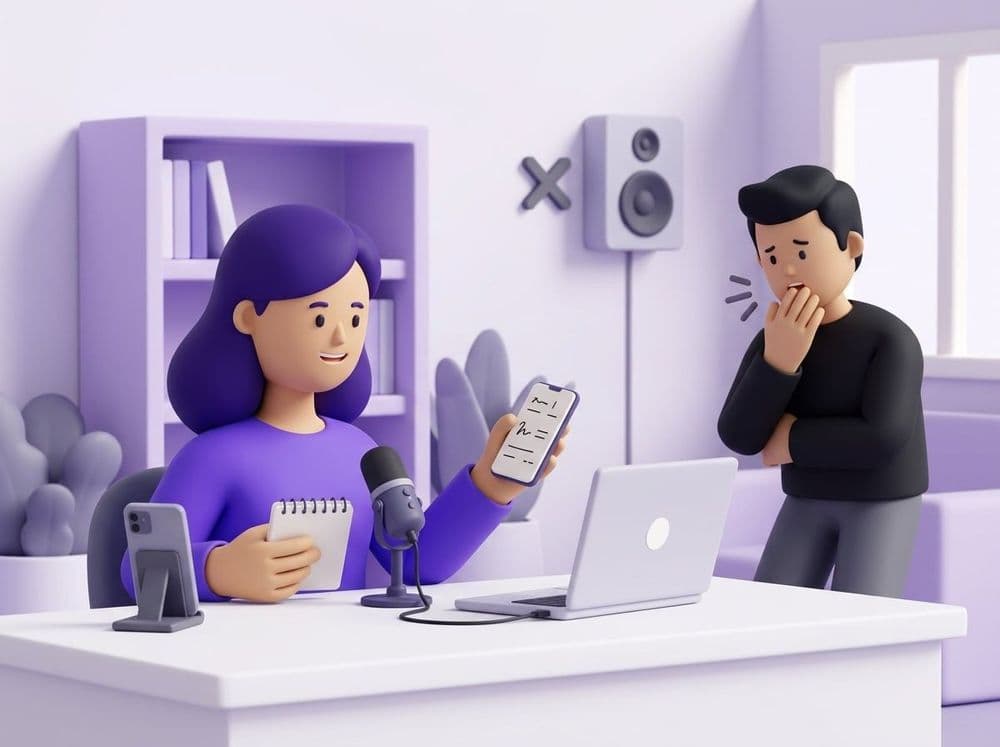
Learn the do's and don'ts of practice for beginner English pronunciation for daily use. Build muscle memory and clear speaking habits for everyday confidence.

Saying sounds the wrong way in public causes instant confusion. Because of this, learning the do's and don'ts of beginner English pronunciation is critical for your daily use. This guide provides a clear checklist of practice habits to help you build the physical muscle memory needed to speak clear English.
Key Takeaways
Below are the key takeaways in this guide:
- Train your mouth: Practice is a physical workout for your lips and breath, not just a mental memory test.
- Focus on daily tasks: Practice short sentences for the store or the bus so you feel safe in real life.
- Speak out loud: Reading words silently in your head builds bad habits when you finally try to talk.
- Use smart tools: Use an AI tutor like Loora for real-time pronunciation feedback, turning passive reading into active speaking fluency.
Why Speaking Out Loud is Different from Reading
Reading English words quietly only trains your eyes. Pronunciation requires physical muscle memory in your mouth, lips, and tongue. You must make the sounds out loud to teach your body how to speak.
I remember knowing exactly how to read the word "receipt" from a textbook. But when a cashier asked me if I wanted one, I froze and said it completely wrong. My brain knew the sight words, but my mouth did not have the muscle memory to make the right sounds.
That moment ruined my conversational confidence for the rest of the day. You can avoid this by treating your practice like a physical sport. You must move your mouth to learn.
The Do's of Daily Pronunciation Practice
Good speaking do's and don'ts start with training your body. You need everyday pronunciation tips that focus on how you physically make sounds.
Focus on Mouth Movement and Airflow
English sounds require specific lip shapes and breath control. You must pay attention to your mouth movement when you practice. Look in a mirror to see your lip shape when you say a new word.
Pay attention to your tongue placement, since it changes how you make different sounds. For example, your tongue must touch your teeth to make a "th" sound. You can also think about pushing air out of your lips to make a "p" sound, which trains your physical mouth muscles to act in a new way.
Try recording your voice on your phone so you can hear if your sounds match the shape of your mouth. Keep repeating these movements until they feel easy.
Practice Short Everyday Conversations
Don't try to practice long speeches or difficult book words because you rarely use them in real life. Instead, focus your daily English pronunciation on the things you actually do every day.
You should practice short sentences for buying food, asking for directions, or ordering coffee. Try saying phrases like "I need a large water" or "Where is the bus stop" out loud ten times.
When you practice these simple phrases, you build strong habits. This prepares your mouth for the exact moments you need to be understood in public. It helps you feel safe and calm when you talk to strangers.
The Don'ts of Speaking Practice
The worst pronunciation mistakes to avoid involve practicing without making actual noise. Good beginner English speaking habits require you to use your voice. Silent practice fails to prepare you for real conversations because your mouth never learns how to move.
Don't Practice Silently
Passive reading tricks your brain into thinking you know how to talk. But reading a word in your head does not teach your lips how to move. You must use active speaking to train your facial muscles.
If you only read quietly, your mouth stays lazy. You build bad pronunciation habits that are hard to break later. When you finally try to speak to a person, your mouth will freeze. Always make a loud sound when you learn a new word. This builds the physical memory you need.
Don't Rely on Reading Alone
Standard flashcard apps use spaced repetition software to help you remember words. But they only teach you to recognize words on a screen, not how to say them out loud.
Even if an app plays native speaker audio, you are still just listening and looking. To speak clearly, you need an AI English tutor that listens to your voice and gives you instant corrections on your mouth movements.
Flashcard Apps Versus AI English Tutors
| Feature | Flashcard Apps (Anki) | Flashcard Apps (Quizlet) | AI English Tutor (Loora) |
|---|---|---|---|
| Speaking focus – What skill it improves | This tool helps you remember words by looking at cards. But the app doesn't listen to your voice. | This app acts like a fun memory game. Reading skills get tested here instead of your speaking skills. | The tutor listens to your voice and fixes your sound mistakes. This trains your mouth to speak clearly. |
| Is the practice like real life? | You only look at single words on a screen. The practice isn't like real life at all. | You match words to pictures or meanings. Real life doesn't work like a matching game. | You talk in real situations like buying food or working. The AI answers you like a real person. |
| Daily life relevance – Does it help with everyday tasks | The app teaches you hundreds of new words. But the cards don't show you how to say them at the store. | Passing school tests is easier with this app. However, the games don't help you order coffee out loud. | This app prepares you for the exact tasks you do every day. You practice the exact words you need. |
| Role-play flexibility – Can you choose the topic | You can download different word lists. But you can't have a conversation about those words. | You can make your own word games. Sadly, you can't practice talking about a specific topic. | You can pick any topic you want to talk about. The AI will chat with you about it. |
| Real back-and-forth talk | There is no talking at all. You just click a button to see the next card. | There is no conversation. You only read words and pick the right answer. | The AI asks you questions and waits for your answer. It feels just like talking to a friend. |
| Feedback depth – What exact mistakes it fixes | The app only tells you if you remembered the word. The software can't hear if your sound is wrong. | The game tells you if you clicked the wrong spelling. But the tool gives zero help for your mouth shape. | The AI catches your speaking mistakes right away. The feedback shows you exactly how to fix your sound. |
| Does it feel like a real chat? | You have all the time in the world to think. There is no pressure from another person. | You play at your own speed. The game doesn't prepare you for fast talkers. | The AI responds quickly and asks follow-up questions. This gets you ready to think fast in public. |
| Does it understand you? | The app doesn't know what the words mean together. The screen just shows you cards one by one. | The app only knows the definitions you typed in. The system can't understand a full story. | The AI understands your whole conversation. It changes its answers based on what you say. |
| Getting ready for daily tasks | You might know the word for apples. But you won't know how to ask for them. | You will pass a spelling test about food. You will still feel nervous talking to a cashier. | You practice the exact conversation before you go to the store. You will feel safe and ready. |
| Can you create your own situation? | You can make your own lists of words to read. But you can't make a practice conversation. | You can choose which words to play games with. However, you can't act out a real situation. | You can tell the AI to act like a bus driver. You can practice that specific chat until it is easy. |
| Best real-world outcome – What you can do after using it | You will read English much better. You might still freeze up when you try to speak. | You will know the meanings of hundreds of words. But you will still struggle to make the right sounds. | You will speak with clear sounds in public. People will understand you easily on the first try. |
Conclusion
Clear communication is a physical skill you can build over time. Knowing the words is only the first step. Being able to make the right sounds under pressure is what matters most in daily life.
You can build this muscle memory with a simple 15-minute daily routine. First, spend five minutes reading basic sentences out loud to warm up your mouth. Focus on your lip shape and breath.
Then, spend ten minutes using a tool like Loora for judgment-free practice. The AI will correct your sounds while you talk. This routine prepares your mouth for the real conversations you face every day.